
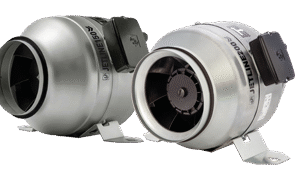
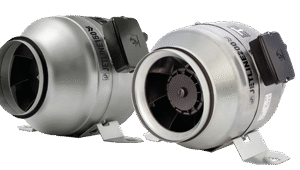
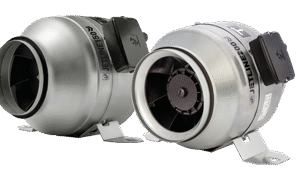
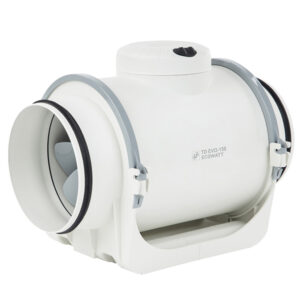
Inline exhaust fans are designed to move air efficiently through ducted ventilation systems, making them a popular choice for bathrooms, roof spaces, commercial premises, workshops, and industrial environments. For electricians, contractors, and facility managers across Australia, selecting the right inline exhaust fan can improve ventilation performance, reduce moisture issues, and support long-term system reliability.
Showing 1–16 of 75 results
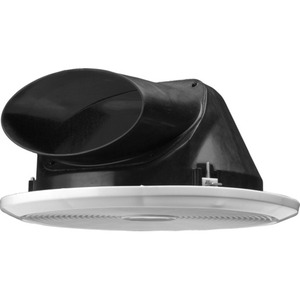
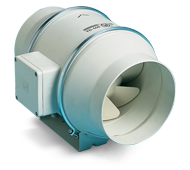
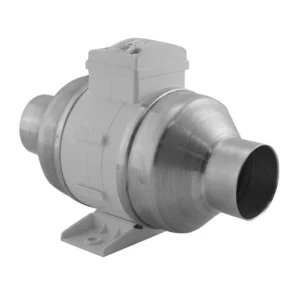
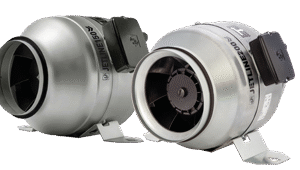
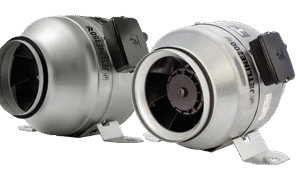
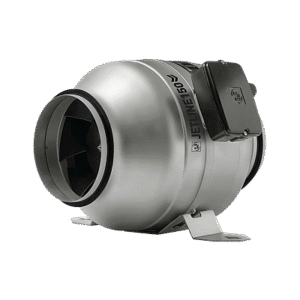
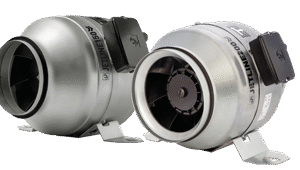
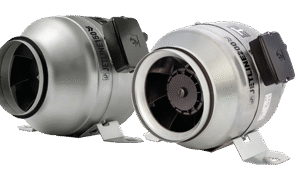
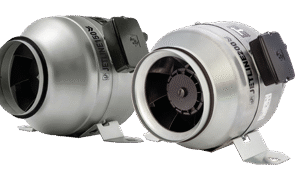
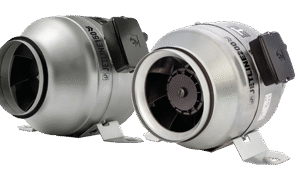
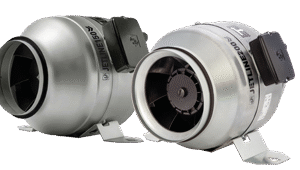
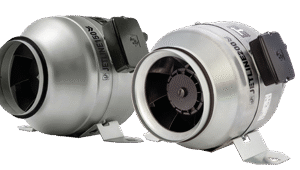
How to Choose the Right Inline Exhaust Fan for Your Project
Choosing an inline exhaust fan starts with understanding the environment it needs to ventilate. A small bathroom has very different airflow requirements compared to a commercial kitchen, workshop, or warehouse.
The most important consideration is ensuring the fan can move enough air for the space while maintaining performance through the ducting system. Undersized units can struggle to remove moisture, heat, fumes, or stale air, while oversized systems may increase operating costs unnecessarily.
When specifying a fan, consider:
- Room size and ventilation requirements
- Duct diameter and duct length
- Number of bends within the duct run
- Continuous or intermittent operation
- Noise sensitivity of the area
- Residential, commercial, or industrial use
Taking these factors into account early can help prevent performance issues after installation.
Understanding Airflow and Ducting Requirements
Inline exhaust fans are commonly selected because they can be positioned within the duct system rather than directly at the point of extraction. This provides greater installation flexibility and often improves overall ventilation performance.
Longer duct runs and multiple bends create resistance within the system. Selecting the right ducting and duct fittings can help maintain airflow performance throughout the installation. As resistance increases, airflow can decrease if the fan is not properly matched to the installation.
Projects involving larger spaces or more complex duct layouts may benefit from higher-performance models designed to maintain airflow under greater pressure. Reviewing ducting requirements before purchasing can help ensure the ventilation system performs as intended.
Comparing Inline Exhaust Fans for Different Applications
Not all inline exhaust fans are built for the same environment.
For residential installations, buyers often prioritise quiet operation and effective moisture removal. In commercial environments, airflow capacity, reliability, and operating efficiency are typically more important. Industrial applications may require robust construction and the ability to run continuously in demanding conditions.
Understanding the intended application helps narrow product selection and reduces the risk of purchasing equipment that is unsuitable for the environment.
Common Mistakes When Selecting Inline Exhaust Fans
Many ventilation issues can be traced back to incorrect product selection rather than installation faults.
Some of the most common mistakes include:
- Choosing a fan based solely on price
- Selecting insufficient airflow capacity
- Ignoring duct length and system resistance
- Using residential products in commercial applications
- Overlooking noise requirements in occupied spaces
- Failing to consider future ventilation demands
Avoiding these issues can improve system performance and reduce costly replacements or upgrades.
Inline Exhaust Fans vs Other Ventilation Solutions
Inline exhaust fans are often chosen when greater installation flexibility or improved airflow performance is required.
Compared to wall exhaust fans and ceiling exhaust fans, inline models can be better suited to ducted systems where the fan needs to be positioned away from occupied spaces.
This can help reduce perceived noise while allowing air to be extracted from areas that are difficult to ventilate effectively using traditional exhaust fan designs.
For projects involving longer duct runs or more complex layouts, an inline exhaust fan may offer a more practical solution.
Selecting Reliable Ventilation Products for Ongoing Performance
For contractors, procurement teams, and facility managers, product reliability is just as important as airflow performance. Choosing quality air movement products helps reduce maintenance requirements, minimise downtime, and support long-term operational efficiency.
Whether you’re sourcing products for a single installation or managing larger project requirements, selecting the right inline exhaust fan can improve ventilation outcomes and simplify future maintenance planning.
Explore our range of inline exhaust fans to find reliable solutions for residential, commercial, and industrial ventilation projects throughout Australia.
Frequently Asked Questions
How do I choose the right inline exhaust fan for my application?
The correct inline exhaust fan depends on the size of the area being ventilated, the ducting layout, airflow requirements, and whether the installation is residential, commercial, or industrial.
What size inline exhaust fan do I need?
Fan size should be selected based on the volume of air that needs to be moved and the resistance created by the ducting system. Larger spaces and longer duct runs generally require higher-capacity models.
Are inline exhaust fans suitable for long duct runs?
Many inline exhaust fans are designed to maintain airflow through longer duct systems. Performance requirements should be assessed based on duct length, bends, and overall system design.
What is the difference between an inline exhaust fan and a ceiling exhaust fan?
Ceiling exhaust fans are mounted directly in the ceiling and extract air at the point of installation. Inline exhaust fans are installed within the ducting system, providing greater flexibility and often quieter operation.
Can inline exhaust fans be used in commercial buildings?
Yes. Inline exhaust fans are commonly used in offices, retail premises, hospitality venues, warehouses, workshops, and other commercial environments where reliable ventilation is required.
Are inline exhaust fans suitable for continuous operation?
Many commercial and industrial models are designed for continuous use. Always review the product specifications to ensure the fan is suitable for the intended operating conditions.
How important is duct size when selecting an inline exhaust fan?
Duct size plays a significant role in airflow performance. Incorrectly matched ducting can reduce efficiency and prevent the fan from delivering its intended performance.
What causes poor airflow in an inline exhaust system?
Common causes include undersized fans, excessive duct length, multiple bends, restricted ducting, or selecting a fan that is not suitable for the application.
Do inline exhaust fans require regular maintenance?
Routine inspection and cleaning can help maintain airflow performance and extend the life of the equipment. Maintenance requirements vary depending on the operating environment.
What should I consider when buying inline exhaust fans for larger projects?
For commercial and multi-site projects, it is important to consider product consistency, availability, installation requirements, maintenance accessibility, and long-term reliability to support efficient project delivery.