Sensors

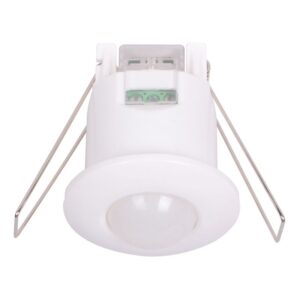
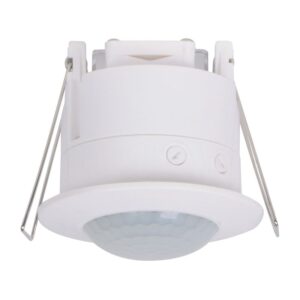
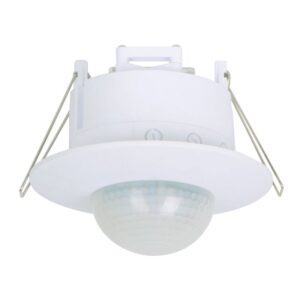
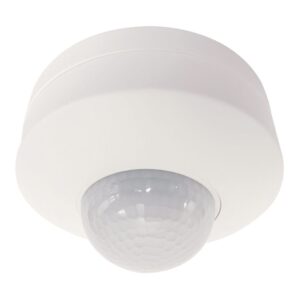
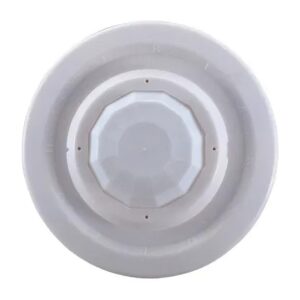
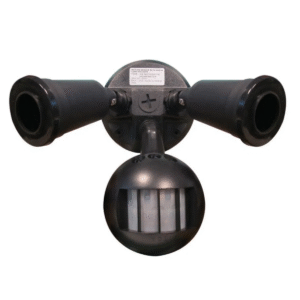
Lighting sensors deliver automated control solutions that save energy and enhance project efficiency across residential, commercial, and industrial installations. From basic PIR motion sensors to advanced presence detectors with 360-degree coverage, this comprehensive range gives electricians and contractors access to automation technology that meets Australian standards while keeping projects on budget.​

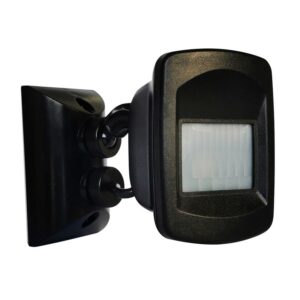
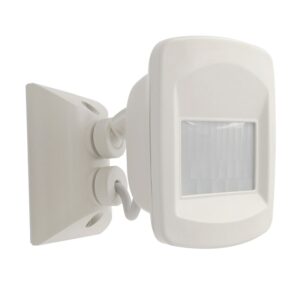
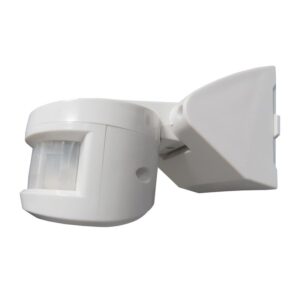
Passive infrared (PIR) sensors detect movement through infrared radiation, making them ideal for high-traffic areas like corridors, carparks, and building entries where lights need to activate on movement and switch off automatically after a preset delay. These cost-effective solutions work perfectly for security lighting, outdoor installations, and spaces where occupancy patterns involve frequent movement.​

Presence detectors offer superior sensitivity compared to standard motion sensors, detecting even stationary occupants through subtle movements like breathing or typing. This advanced detection capability makes presence sensors essential for offices, patient rooms, meeting spaces, and areas where people remain still for extended periods, preventing lights from switching off while the room is occupied.​

Microwave sensors emit microwave pulses and detect movement by analyzing reflected signals, providing longer detection ranges and the ability to sense through walls and partitions. Commercial projects benefit from microwave technology in warehouses, loading docks, and large open spaces where extended coverage is required.​

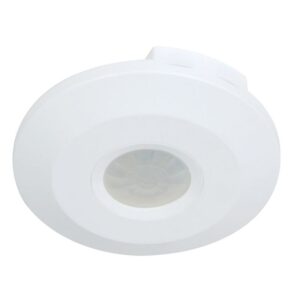
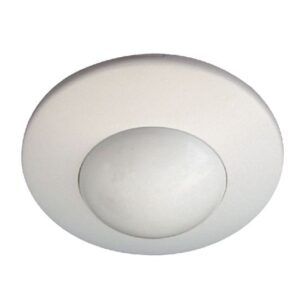
The range includes multiple mounting configurations—ceiling mount, wall mount, recessed, and surface mount options—with adjustable sensitivity, time delay settings (typically 15 seconds to 30 minutes), and light level sensing to customize performance for specific applications. Many models feature 360-degree detection coverage with adjustable mounting heights up to 15 feet, providing comprehensive coverage for various ceiling heights and room dimensions.​

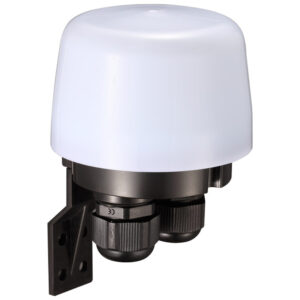
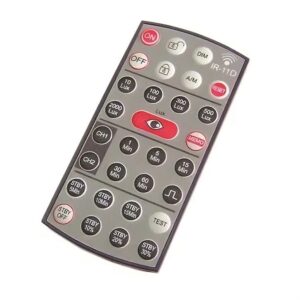
Standalone sensors, integrated LED fixtures with built-in sensors, remote controls, and multi-channel presence detectors offer installation flexibility for projects ranging from single-room residential upgrades to multi-zone commercial lighting systems. Compatibility with LED, incandescent, fluorescent, and low-voltage lighting loads ensures these sensors integrate seamlessly with existing electrical infrastructure.​

Explore our complete Lighting range for complementary products including downlights, battens, high bays, and outdoor fixtures that pair with sensor technology to create comprehensive automated lighting solutions.


FAQs

What’s the difference between a motion sensor and a presence detector?

Motion sensors activate when they detect movement and work best in high-traffic areas like corridors and entrances where people are constantly moving. Presence detectors use advanced technology to sense even stationary occupants through subtle movements like breathing or typing, making them ideal for offices, patient rooms, and spaces where people remain still for extended periods. While motion sensors may turn lights off if someone sits motionless, presence detectors maintain accurate occupancy detection regardless of activity level.​

What mounting height works best for PIR ceiling sensors?

Most PIR ceiling sensors mount at heights between 8-15 feet, with optimal performance typically achieved at 7.5-10 feet for standard commercial and residential applications. Higher mounting (up to 15 feet) provides broader coverage area—up to 1,256 square feet at maximum height—but may reduce sensitivity to small movements. Lower mounting heights increase detection accuracy for subtle movements, making them preferable for presence detection applications in offices and meeting rooms.​

Can lighting sensors work with LED and fluorescent loads?

Modern lighting sensors are compatible with LED, incandescent, electronic ballast fluorescent, compact fluorescent (CFL), magnetic low-voltage (MLV), and electronic low-voltage (ELV) loads. Most commercial-grade sensors handle loads from 800W at 120V up to 1,200W at 277V, with no minimum load requirements, ensuring compatibility across residential and commercial lighting installations. Always verify load compatibility and voltage ratings before installation to ensure proper operation and compliance with Australian electrical standards.​

What are the key benefits of installing lighting sensors in commercial projects?

Lighting sensors reduce energy consumption by 30-60% in commercial spaces by ensuring lights operate only when areas are occupied. Automated switching eliminates the need for manual control, reducing maintenance costs and improving building sustainability credentials. For electricians and contractors, sensor installations deliver value-added services that increase project margins while providing measurable energy savings that clients can track through reduced electricity bills.​

How do adjustable settings work on motion sensors?

Most quality motion sensors feature three adjustable parameters: time delay (typically 15 seconds to 30 minutes), sensitivity level, and ambient light threshold. Time delay controls how long lights remain on after the last detected movement, sensitivity adjusts the detection range and responsiveness to movement, and light level sensing prevents activation during daylight hours when natural light is sufficient. These dial or switch-based adjustments allow contractors to customize sensor performance for specific room sizes, usage patterns, and client preferences without additional programming equipment.​

Lighting sensors deliver automated control solutions that save energy and enhance project efficiency across residential, commercial, and industrial installations. From basic PIR motion sensors to advanced presence detectors with 360-degree coverage, this comprehensive range gives electricians and contractors access to automation technology that meets Australian standards while keeping projects on budget.​

Passive infrared (PIR) sensors detect movement through infrared radiation, making them ideal for high-traffic areas like corridors, carparks, and building entries where lights need to activate on movement and switch off automatically after a preset delay. These cost-effective solutions work perfectly for security lighting, outdoor installations, and spaces where occupancy patterns involve frequent movement.​

Presence detectors offer superior sensitivity compared to standard motion sensors, detecting even stationary occupants through subtle movements like breathing or typing. This advanced detection capability makes presence sensors essential for offices, patient rooms, meeting spaces, and areas where people remain still for extended periods, preventing lights from switching off while the room is occupied.​

Microwave sensors emit microwave pulses and detect movement by analyzing reflected signals, providing longer detection ranges and the ability to sense through walls and partitions. Commercial projects benefit from microwave technology in warehouses, loading docks, and large open spaces where extended coverage is required.​

The range includes multiple mounting configurations—ceiling mount, wall mount, recessed, and surface mount options—with adjustable sensitivity, time delay settings (typically 15 seconds to 30 minutes), and light level sensing to customize performance for specific applications. Many models feature 360-degree detection coverage with adjustable mounting heights up to 15 feet, providing comprehensive coverage for various ceiling heights and room dimensions.​

Standalone sensors, integrated LED fixtures with built-in sensors, remote controls, and multi-channel presence detectors offer installation flexibility for projects ranging from single-room residential upgrades to multi-zone commercial lighting systems. Compatibility with LED, incandescent, fluorescent, and low-voltage lighting loads ensures these sensors integrate seamlessly with existing electrical infrastructure.​

Explore our complete Lighting range for complementary products including downlights, battens, high bays, and outdoor fixtures that pair with sensor technology to create comprehensive automated lighting solutions.


FAQs

What’s the difference between a motion sensor and a presence detector?

Motion sensors activate when they detect movement and work best in high-traffic areas like corridors and entrances where people are constantly moving. Presence detectors use advanced technology to sense even stationary occupants through subtle movements like breathing or typing, making them ideal for offices, patient rooms, and spaces where people remain still for extended periods. While motion sensors may turn lights off if someone sits motionless, presence detectors maintain accurate occupancy detection regardless of activity level.​

What mounting height works best for PIR ceiling sensors?

Most PIR ceiling sensors mount at heights between 8-15 feet, with optimal performance typically achieved at 7.5-10 feet for standard commercial and residential applications. Higher mounting (up to 15 feet) provides broader coverage area—up to 1,256 square feet at maximum height—but may reduce sensitivity to small movements. Lower mounting heights increase detection accuracy for subtle movements, making them preferable for presence detection applications in offices and meeting rooms.​

Can lighting sensors work with LED and fluorescent loads?

Modern lighting sensors are compatible with LED, incandescent, electronic ballast fluorescent, compact fluorescent (CFL), magnetic low-voltage (MLV), and electronic low-voltage (ELV) loads. Most commercial-grade sensors handle loads from 800W at 120V up to 1,200W at 277V, with no minimum load requirements, ensuring compatibility across residential and commercial lighting installations. Always verify load compatibility and voltage ratings before installation to ensure proper operation and compliance with Australian electrical standards.​

What are the key benefits of installing lighting sensors in commercial projects?

Lighting sensors reduce energy consumption by 30-60% in commercial spaces by ensuring lights operate only when areas are occupied. Automated switching eliminates the need for manual control, reducing maintenance costs and improving building sustainability credentials. For electricians and contractors, sensor installations deliver value-added services that increase project margins while providing measurable energy savings that clients can track through reduced electricity bills.​

How do adjustable settings work on motion sensors?

Most quality motion sensors feature three adjustable parameters: time delay (typically 15 seconds to 30 minutes), sensitivity level, and ambient light threshold. Time delay controls how long lights remain on after the last detected movement, sensitivity adjusts the detection range and responsiveness to movement, and light level sensing prevents activation during daylight hours when natural light is sufficient. These dial or switch-based adjustments allow contractors to customize sensor performance for specific room sizes, usage patterns, and client preferences without additional programming equipment.​

My cart
Your cart is empty.

Looks like you haven't made a choice yet.