
Showing 1–16 of 96 results
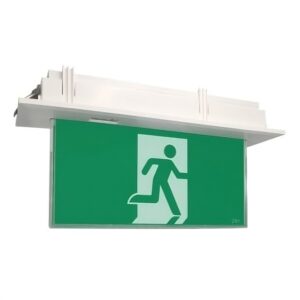
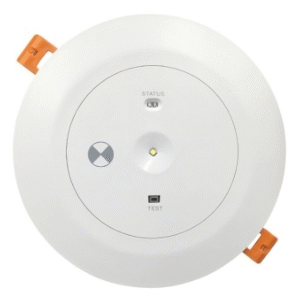
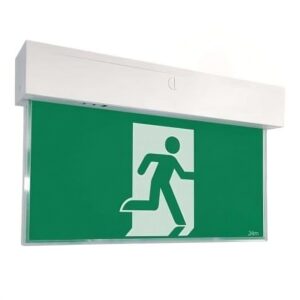
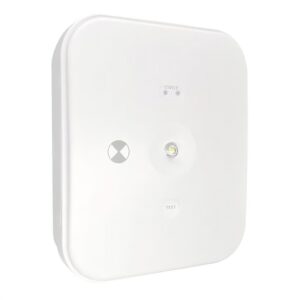
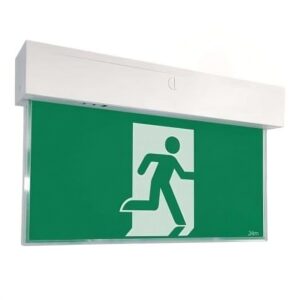
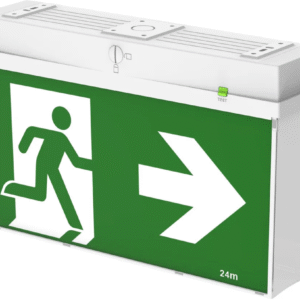
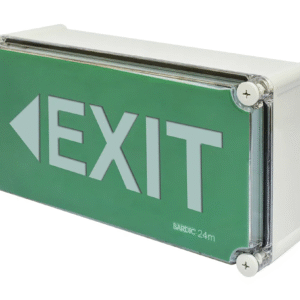
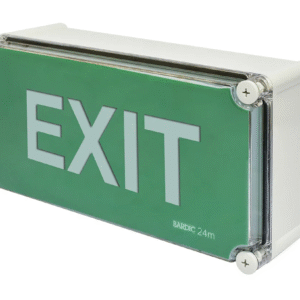
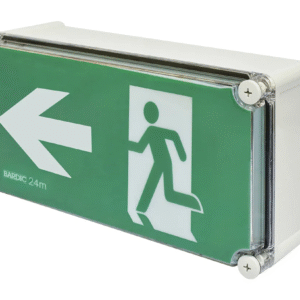
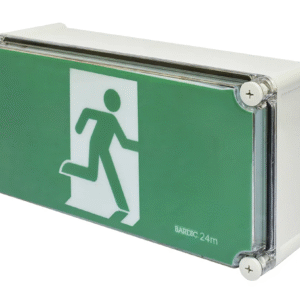
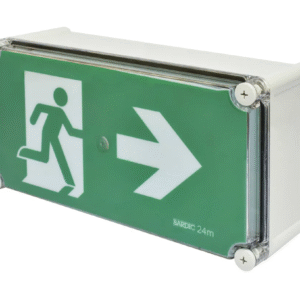
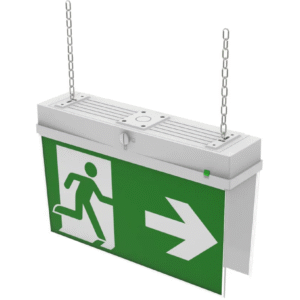
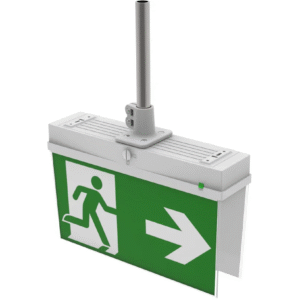
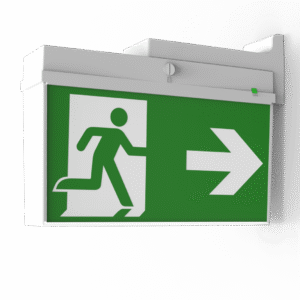
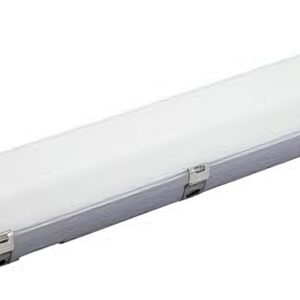
Exit and emergency lighting systems are essential safety components for commercial buildings, industrial facilities, retail spaces, and multi-unit residential developments across Australia. iSupply Electrical supplies a comprehensive range of AS/NZS 2293-compliant exit signs and emergency lighting fixtures designed to meet Building Code of Australia (BCA) requirements.
Our emergency lighting range includes LED exit signs, emergency light fittings, combination units, and twin-spot emergency lights suitable for evacuation paths, stairwells, fire exits, and high-traffic areas. Whether you’re working on office fit-outs, retail installations, warehouse projects, or apartment developments, we stock both maintained and non-maintained emergency lighting solutions to suit your project specifications.
Licensed electricians and contractors benefit from competitive wholesale pricing on trusted brands, ensuring compliance with Australian standards while maintaining project margins. Our emergency lighting products feature long-life LED technology, self-test capabilities, and durable construction for reliable performance in demanding environments.
Browse our complete lighting range for additional commercial and industrial lighting solutions, or contact our team for custom emergency lighting specifications for larger projects.
Frequently Asked Questions
What is the difference between maintained and non-maintained emergency lights?
Maintained emergency lights operate continuously as normal lighting and remain illuminated during power failures. Non-maintained emergency lights only activate during power outages. Non-maintained units are most common in commercial applications, while maintained lights are typically used in public venues like cinemas and theatres where they serve as both normal lighting and emergency backup.
What Australian standards apply to exit and emergency lighting?
Exit and emergency lighting must comply with AS/NZS 2293 (Emergency Escape Lighting and Exit Signs for Buildings) and AS 2293.2 for routine service and maintenance. The Building Code of Australia (BCA) also specifies installation requirements based on building classification and occupancy levels.
How long must emergency lights operate during a power failure?
Australian standards require emergency lighting to provide illumination for a minimum of 90 minutes during power failure to allow safe evacuation of the building. Some high-risk environments may require extended duration batteries providing up to 3 hours of emergency operation.
Do I need emergency lighting in residential projects?
Single-dwelling homes typically don’t require emergency lighting. However, multi-unit residential buildings classified as Class 2 or 3 under the BCA (apartments, hotels, boarding houses) require emergency lighting in common areas including corridors, stairwells, and exit paths.
Can I install emergency lights on existing circuits?
Emergency lights require connection to an unswitched power supply to ensure they remain charged. Most installations require a dedicated circuit from the distribution board. Consult AS/NZS 3000 (Wiring Rules) for specific installation requirements and always verify local regulations.
How often do emergency lights need testing and maintenance?
AS 2293.2 requires monthly functional tests (6-month intervals for self-testing units) and annual duration tests to verify battery capacity. Licensed electricians must conduct these tests and maintain written records for building compliance purposes.