
Showing all 13 results
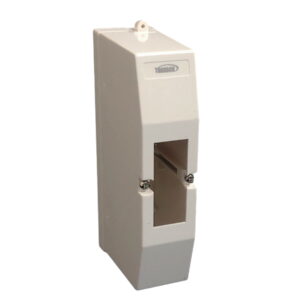
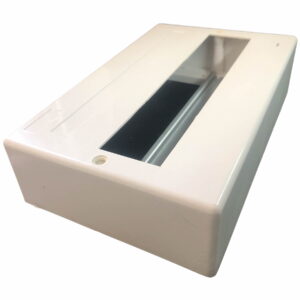
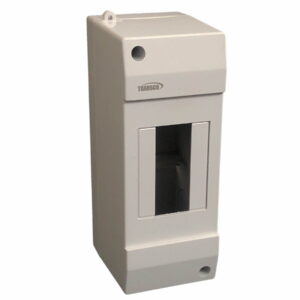
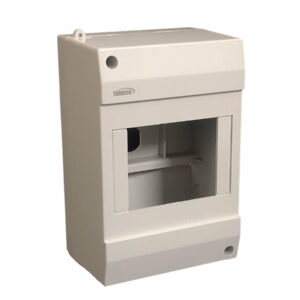
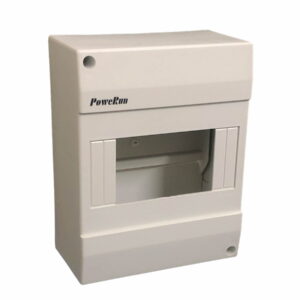
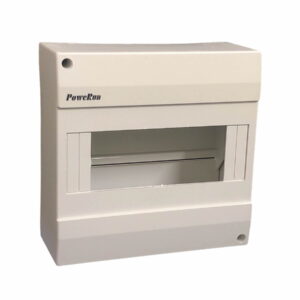
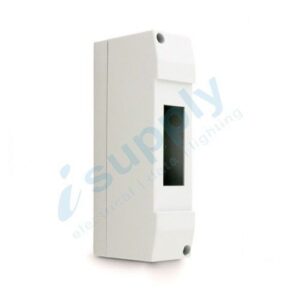
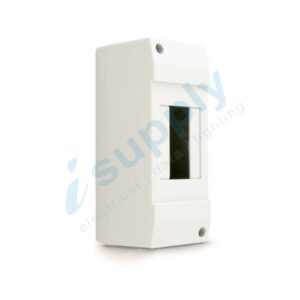

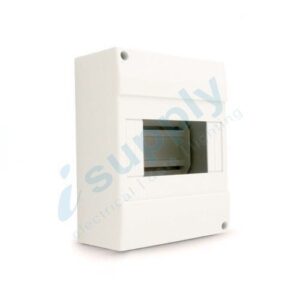
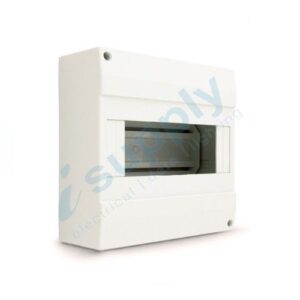

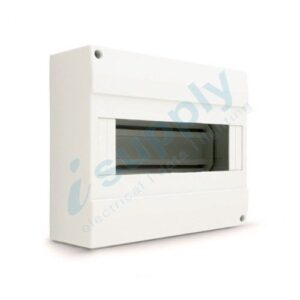
An Overview of Different Types of Electrical Enclosures
Enclosure boxes sometimes referred to as cabinets or housing, serve as a barrier against environmental threats including dust, moisture, and high temperatures for electrical or mechanical equipment. A high level of protection is provided by quality enclosures for the equipment within, ensuring that it operates as intended and lasts for a very long period. Some of Australia’s most popular enclosure companies are renowned for their high-quality goods and dependability, and they provide a variety of sizes and styles to fit various needs.
There are several different kinds of enclosures, including wall mount, freestanding, floor mount, hazardous site, and IP rated enclosures. These many forms can be applied in a variety of industries, including transportation, energy production, and industrial automation. The most popular form of the enclosure is made of aluminium, which is renowned for its durability, strength, and corrosion resistance. They are excellent for a variety of applications since they are also offered in varying structure thicknesses, such as 5mm.
Australia’s many states are home to enclosures of various forms and designs that are appropriate for a variety of settings and uses. They come with various characteristics, such as fence and contained definitions, which may be added for further protection and security. They can be utilised in industrial automation, power generation, and transportation. Additionally, they can be certified for various degrees of protection, such as IP67 for defence against the entrance of water and dust.
Although electrical enclosures have a long history, the design and use of enclosures have changed over time as a result of technological advancements. inclosures have long been used in the electrical industry and have been crucial to the development of electrical systems. They serve to both safeguard and divide the storage space for the electrical equipment.
In order to preserve and operate mechanical and electrical equipment, enclosures are a crucial component. They are utilised in a variety of sectors and disciplines and are available in a variety of sorts, materials, sizes, and designs. In addition to serving as a barrier to protect equipment from environmental dangers, they can also offer protection from intrusion or manipulation. It’s crucial to take into account the particular needs of the equipment that will be placed within, the environment in which it will be utilised, and any unique regulatory or safety requirements when choosing an enclosure. They are offered in several Australian states and come in a variety of materials, including ply, steel, and aluminium. Additionally, they may have additional characteristics like fance, enclosed definition, and IP ratings.
A cabinet or box used to shield electronic equipment from different environmental elements such as dust, moisture, and impact is called an electrical inclosure, often referred to as an electronic inclosure. These inclosures, provided by businesses like Act Ltd, come in a number of sizes and materials, including as plastic, metal, and fibreglass, and can range in size from tiny junction boxes to enormous industrial control panels.
The safety of the tools and the people utilising them is one of the key justifications for employing an electrical inclosure. Electrical shocks and fires are reduced because to the enclosure’s function as a shield between the electronic parts and the outside world. Enclosures can also be used to shield the equipment from harm brought on by external conditions such as moisture, dust, and others.
Electrical inclosures come in a wide range of varieties, each with special characteristics and advantages. NEMA inclosures, IP inclosures, stainless steel inclosures, and explosion-proof inclosures are a few of the most popular varieties. There is a large selection of inclosures available from companies like ARA.
It is crucial to take the demands of the equipment and the setting in which it will be used into account when choosing an electrical inclosure. Considerations should be made for the equipment’s size, the necessary level of protection, and the particular environmental circumstances. Additionally, it’s critical to consider the application area and select the appropriate inclosure type.
Electrical inclosures are crucial to a facility’s overall design and aesthetics in addition to safeguarding the electronic equipment. Numerous inclosures come in a range of colours and designs and may be personalised with business logos and other branding components.
Electrical inclosures are, in general, an essential part of the reliable and effective operation of electronic equipment. They contribute significantly to the overall appearance and appeal of a facility while also offering protection from a range of environmental elements. To ensure the most suitable and efficient solution is chosen, it is crucial to take into account the particular requirements of the equipment and the environment in which it will be used when choosing an electrical inclosure. For instance, distinct inclosures might be utilised for various application fields.
The sort of door or access panel to be used when choosing an electrical inclosure is another crucial factor. On an electrical inclosure, a variety of doors, including sliding doors, hinged doors, and detachable panels, may be employed. The most popular kind of door is a hinged door, which is usually used on smaller inclosures. They make it simple to enter the enclosure’s inside and may be secured for increased security. Larger inclosures frequently employ sliding doors since they don’t need clearance to open and because they offer a space-saving alternative. On bigger inclosures as well, removable panels are frequently employed and provide simple access to the enclosure’s interior for maintenance and repair.
The sort of cooling system that will be employed is a crucial factor to take into account when selecting an electrical inclosure. While some inclosures are made to be liquid-cooled, others are made to be air-cooled. While liquid-cooled inclosures employ a closed-loop cooling system to remove heat, air-cooled inclosures rely on the natural movement of air to do so. The equipment that will be housed inside the inclosure and the climatic conditions in which the inclosure will be operated must both be taken into consideration while choosing the proper cooling system.
It’s crucial to think about the kind of ventilation that will be employed in the inclosure in addition to the kind of cooling system. In order for the equipment inside the inclosure to function at its best temperatures, proper ventilation is crucial. While some inclosures come with louvres or vents to provide optimum circulation, others might need to have extra ventilation systems added.
The degree of protection it offers is a crucial consideration when choosing an electrical inclosure. Electrical inclosures are evaluated according to how well they can shield electronic components from impact, moisture, and dust. The National Electrical Manufacturers Association (NEMA) rating system, which categorises inclosures according to their specific level of protection, is the most widely used rating system.
In conclusion, electrical inclosures are essential for assuring both the security of people using the equipment and the protection of electrical equipment from the elements. It is crucial to take into account aspects including the equipment’s kind, the environment, any unique design requirements, and the necessary level of protection when choosing an electrical inclosure. To ensure the equipment operates safely and effectively, it’s also crucial to select the right door, cooling system, and ventilation system. There are many different inclosures available from companies like Act Ltd and pty, ARA, and other brands, so it’s critical to conduct adequate research and choose the best one for your unique requirements.