
Cable glands provide secure cable entry while helping protect electrical enclosures, switchboards and control panels from dust, moisture and environmental exposure. Suitable for commercial, industrial and general electrical installations, our range includes cable glands designed to support reliable cable management, enclosure protection and long-term installation performance across Australia.
Showing 1–16 of 211 results
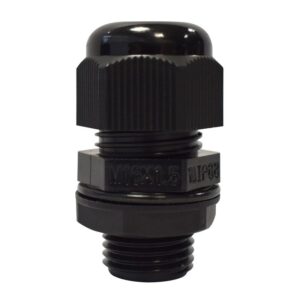

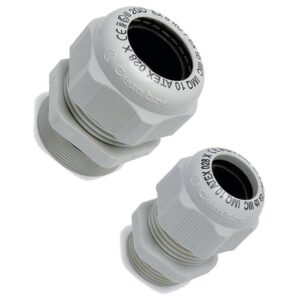
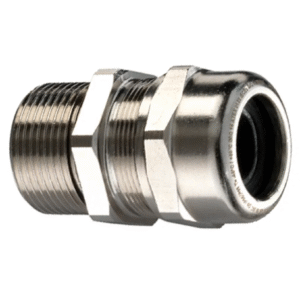
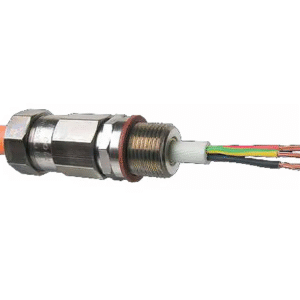
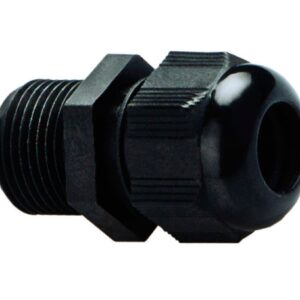
Cable Glands for Secure Cable Entry and Long-Term Installation Protection
Choosing the right cable gland helps protect cable entries, maintain enclosure integrity and support reliable electrical installations. Whether you’re wiring switchboards, control panels, outdoor equipment or industrial systems across Australia, selecting the correct cable gland can help reduce maintenance issues, improve environmental protection and ensure a professional finish.
Selecting the Right Cable Gland for Your Installation
Not all cable glands are suited to the same application. The right choice depends on the cable being installed, the enclosure being used and the conditions the installation will face throughout its service life.
When comparing cable glands, consider:
- Cable outside diameter
- Thread size compatibility
- Indoor or outdoor installation requirements
- Required IP rating
- Exposure to dust, water or chemicals
- Mechanical protection requirements
- Compatibility with conduit systems and enclosures
Reviewing these factors before purchasing helps avoid installation delays, unnecessary rework and compatibility issues on site.
Choosing Between Nylon and Brass Cable Glands
Material selection is one of the most important purchasing decisions.
Nylon cable glands are commonly used for residential, commercial and general electrical applications where durability, corrosion resistance and value are important. They are widely used in switchboards, junction boxes, control equipment and outdoor electrical installations.
Brass cable glands are often selected for industrial environments where additional mechanical strength and long-term durability are required. They are commonly used in manufacturing facilities, infrastructure projects, plant rooms and heavy-duty electrical systems.
The installation environment, rather than price alone, should determine which material is most suitable.
Understanding Cable Diameter and Thread Size
One of the most common purchasing mistakes is assuming thread size determines cable compatibility.
Thread size relates to the enclosure entry, while cable diameter determines whether the cable gland can create an effective seal around the cable.
Before ordering, confirm:
- Cable outside diameter range
- Enclosure entry size
- Required sealing performance
- Installation environment
Checking both measurements helps ensure the gland performs as intended and maintains enclosure protection.
Matching Cable Glands to Environmental Conditions
Different environments place different demands on cable entry systems.
For indoor electrical installations, standard cable glands may provide sufficient protection. Outdoor applications often require higher ingress protection to help prevent moisture and dust entering enclosures.
Industrial sites, processing facilities, workshops and infrastructure projects may require more robust cable gland solutions capable of handling vibration, weather exposure and demanding operating conditions.
Selecting an appropriate IP-rated cable gland helps maintain equipment reliability while reducing the risk of premature failure caused by environmental contamination.
Cable Glands for Switchboards, Panels and Industrial Equipment
Cable glands are widely used across commercial and industrial electrical systems where secure cable entry and environmental sealing are critical. Together with other electrical accessories, they contribute to cable management, equipment protection, and long-term system performance.
Common applications include:
- Switchboards
- Distribution boards
- Control panels
- Pump control systems
- HVAC equipment
- Solar installations
- Communications equipment
- Industrial machinery
- Outdoor electrical enclosures
Choosing application-appropriate cable glands helps maintain enclosure performance while supporting safe and professional installations.
Sourcing Cable Glands for Commercial and Industrial Projects
For contractors, maintenance teams and procurement professionals, consistency and availability are just as important as technical suitability.
Access to a broad range of cable gland sizes and configurations makes it easier to standardise installations across multiple projects while reducing sourcing time. Complementary products such as cable ties and mounts can further enhance cable routing, strain relief and overall installation neatness, particularly within switchboards, control panels and industrial enclosures. Whether you’re completing a switchboard upgrade, managing facility maintenance or delivering a large commercial project, selecting the right cable glands helps improve installation efficiency and long-term reliability throughout Australia.
Frequently Asked Questions
How do I choose the correct cable gland size?
Start by identifying the cable’s outside diameter and then confirm the gland’s cable acceptance range. Also check that the thread size matches the enclosure entry.
What is the difference between nylon and brass cable glands?
Nylon cable glands are commonly used for general electrical installations, while brass cable glands are often preferred where greater mechanical strength and durability are required.
Do I need to match both cable diameter and thread size?
Yes. The cable diameter determines sealing performance, while the thread size determines compatibility with the enclosure entry.
Which cable glands are best for outdoor installations?
Outdoor installations typically require cable glands with suitable ingress protection to help prevent dust and moisture entering the enclosure.
Can cable glands be used with switchboards and distribution boards?
Yes. Cable glands are commonly used to provide secure cable entry and maintain enclosure protection in switchboards and distribution boards.
Are cable glands suitable for industrial applications?
Many cable glands are specifically designed for industrial environments where equipment may be exposed to vibration, dust, moisture or demanding operating conditions.
How do I know if a cable gland will fit my enclosure?
Check the enclosure entry size and compare it with the gland’s thread specification before ordering.
What IP rating should I consider?
The required IP rating depends on the installation environment and level of exposure to dust, water and weather conditions.
Can cable glands be used with conduit systems?
Many cable glands are designed to integrate with conduit systems, but compatibility should always be confirmed before purchase.
What should I check before purchasing cable glands for a project?
Review cable diameter, thread size, installation environment, IP requirements, material selection and enclosure compatibility to ensure the produc