Cable Ties and Mounts

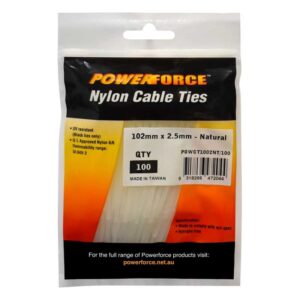
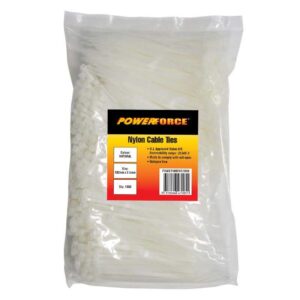
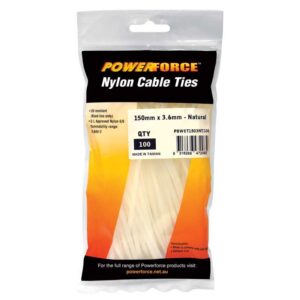
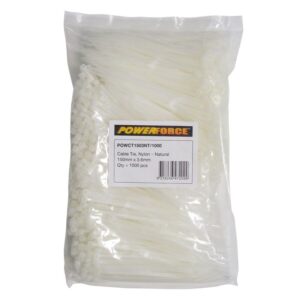
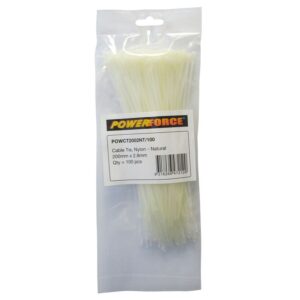
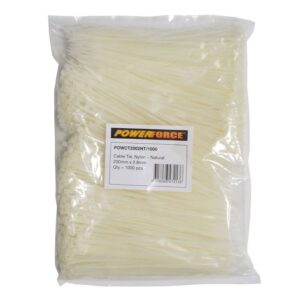
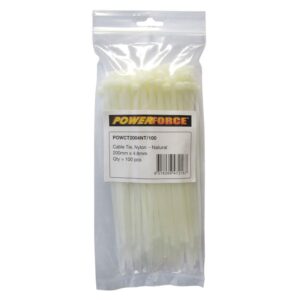
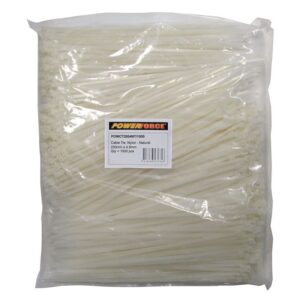
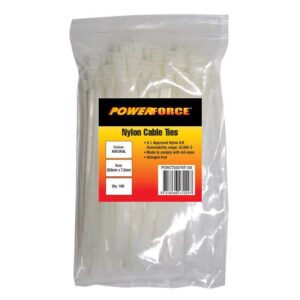
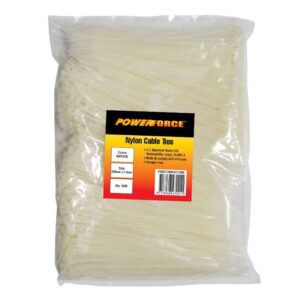
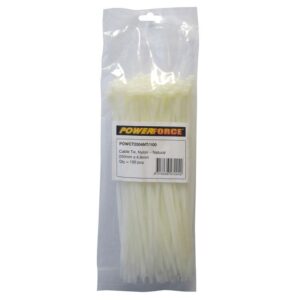
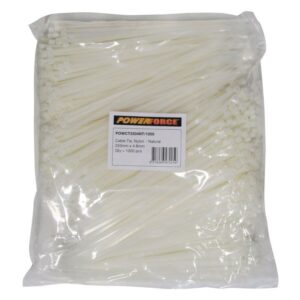
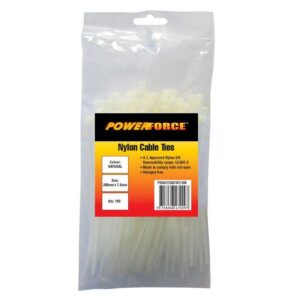
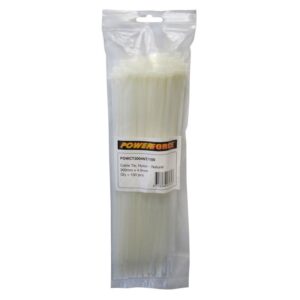
Cable ties and mounts are essential electrical accessories for organizing, securing, and managing cables in residential, commercial, and industrial installations. Whether you’re running power cables through commercial fit-outs, organizing data cabling in office environments, or securing conduit in industrial facilities, our comprehensive range of cable management solutions ensures clean, compliant, and professional installations.

Our selection includes standard nylon cable ties in various lengths and strengths, heavy-duty stainless steel ties for harsh environments, UV-resistant outdoor ties, releasable ties for temporary installations, and specialized mounting solutions including P-clips, conduit clips, saddles, and adhesive cable mounts. These products meet Australian electrical standards and are designed to withstand the demanding conditions electricians face on every project.

Proper cable management isn’t just about aesthetics—it’s critical for safety compliance, maintenance accessibility, and long-term installation reliability. Browse our full range of electrical accessories to find everything you need for complete cable organization and project finishing.

FAQs

What cable tie size do I need for electrical installations?

Cable tie sizing depends on bundle diameter and cable count. For typical residential work, 200mm ties suit most applications. Commercial projects often require 300–400mm ties for larger cable bundles. Industrial installations may need 500mm+ heavy-duty ties. Consider the bundle diameter after cables are grouped, adding 20% extra length for secure fastening. Our product specifications include maximum bundle diameter ratings to help you select the correct size.

Are UV-resistant cable ties necessary for outdoor electrical work?

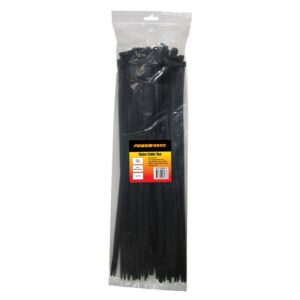
Yes, UV-resistant (black nylon) cable ties are essential for outdoor installations exposed to direct sunlight. Standard white or natural nylon ties degrade rapidly under UV exposure, becoming brittle and failing within 6–12 months. UV-resistant ties maintain strength and flexibility for years in Australian sun conditions, making them critical for solar installations, outdoor lighting, external conduit runs, and any exposed cable management applications.

What’s the difference between releasable and standard cable ties?

Releasable cable ties feature a release mechanism that allows them to be opened and reused without cutting, making them ideal for temporary installations, equipment that requires regular access, or situations where cable configurations change frequently. Standard cable ties are permanent once locked and must be cut for removal. For most fixed electrical installations, standard ties offer stronger holding power and better value, while releasable ties suit control panels, data cabinets, and maintenance-heavy environments.

Can I use plastic cable mounts on plasterboard walls?

Adhesive plastic cable mounts work on smooth plasterboard surfaces for lightweight cables (data, phone, low-voltage) but aren’t suitable for heavy power cables or high-stress applications. For secure mounting of power cables or conduit on plasterboard, use screw-type P-clips or saddles anchored with appropriate plasterboard fixings. Adhesive mounts are best suited to finished surfaces where you want to avoid drilling, such as office cable drops, temporary installations, or decorative cable routing where mechanical loads are minimal.

What mounting solution works best for fixing conduit to brick or concrete?

For conduit installation on masonry surfaces, use conduit clips or saddles with appropriate masonry anchors. Space clips according to conduit diameter—typically 1m intervals for 20mm conduit, 1.2m for 25mm, and 1.5m for 32mm+ diameters. Use galvanized or stainless steel clips for outdoor applications. For quick installation on brick, nail-in clips with masonry nails work well. For concrete or block work, drill and use plastic anchors with screws for more secure fixing that meets compliance requirements for commercial projects.

Cable ties and mounts are essential electrical accessories for organizing, securing, and managing cables in residential, commercial, and industrial installations. Whether you’re running power cables through commercial fit-outs, organizing data cabling in office environments, or securing conduit in industrial facilities, our comprehensive range of cable management solutions ensures clean, compliant, and professional installations.

Our selection includes standard nylon cable ties in various lengths and strengths, heavy-duty stainless steel ties for harsh environments, UV-resistant outdoor ties, releasable ties for temporary installations, and specialized mounting solutions including P-clips, conduit clips, saddles, and adhesive cable mounts. These products meet Australian electrical standards and are designed to withstand the demanding conditions electricians face on every project.

Proper cable management isn’t just about aesthetics—it’s critical for safety compliance, maintenance accessibility, and long-term installation reliability. Browse our full range of electrical accessories to find everything you need for complete cable organization and project finishing.

FAQs

What cable tie size do I need for electrical installations?

Cable tie sizing depends on bundle diameter and cable count. For typical residential work, 200mm ties suit most applications. Commercial projects often require 300–400mm ties for larger cable bundles. Industrial installations may need 500mm+ heavy-duty ties. Consider the bundle diameter after cables are grouped, adding 20% extra length for secure fastening. Our product specifications include maximum bundle diameter ratings to help you select the correct size.

Are UV-resistant cable ties necessary for outdoor electrical work?

Yes, UV-resistant (black nylon) cable ties are essential for outdoor installations exposed to direct sunlight. Standard white or natural nylon ties degrade rapidly under UV exposure, becoming brittle and failing within 6–12 months. UV-resistant ties maintain strength and flexibility for years in Australian sun conditions, making them critical for solar installations, outdoor lighting, external conduit runs, and any exposed cable management applications.

What’s the difference between releasable and standard cable ties?

Releasable cable ties feature a release mechanism that allows them to be opened and reused without cutting, making them ideal for temporary installations, equipment that requires regular access, or situations where cable configurations change frequently. Standard cable ties are permanent once locked and must be cut for removal. For most fixed electrical installations, standard ties offer stronger holding power and better value, while releasable ties suit control panels, data cabinets, and maintenance-heavy environments.

Can I use plastic cable mounts on plasterboard walls?

Adhesive plastic cable mounts work on smooth plasterboard surfaces for lightweight cables (data, phone, low-voltage) but aren’t suitable for heavy power cables or high-stress applications. For secure mounting of power cables or conduit on plasterboard, use screw-type P-clips or saddles anchored with appropriate plasterboard fixings. Adhesive mounts are best suited to finished surfaces where you want to avoid drilling, such as office cable drops, temporary installations, or decorative cable routing where mechanical loads are minimal.

What mounting solution works best for fixing conduit to brick or concrete?

For conduit installation on masonry surfaces, use conduit clips or saddles with appropriate masonry anchors. Space clips according to conduit diameter—typically 1m intervals for 20mm conduit, 1.2m for 25mm, and 1.5m for 32mm+ diameters. Use galvanized or stainless steel clips for outdoor applications. For quick installation on brick, nail-in clips with masonry nails work well. For concrete or block work, drill and use plastic anchors with screws for more secure fixing that meets compliance requirements for commercial projects.

My cart
Your cart is empty.

Looks like you haven't made a choice yet.