Circuit Protection

Cable circuit protection systems form the foundation of safe electrical installations, safeguarding cables from overcurrent, short circuits, earth leakage, and overload conditions that can lead to property damage or personal injury. For licensed electricians and contractors managing residential, commercial, and industrial projects, selecting the right protection devices ensures compliance with Australian electrical standards while protecting both the installation and end-users.​

At iSupply Electrical, we supply a comprehensive range of cable circuit protection products designed specifically for professional electricians and electrical contractors. Our wholesale pricing and extensive inventory ensure you have reliable access to the protection devices needed to complete projects efficiently and safely.​

Complete Circuit Protection Solutions

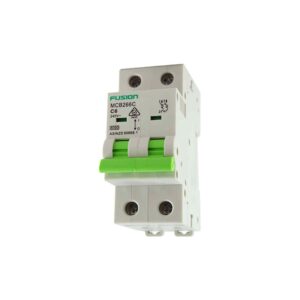
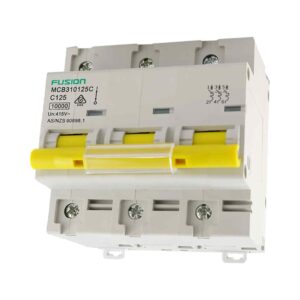
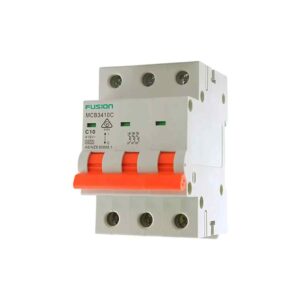
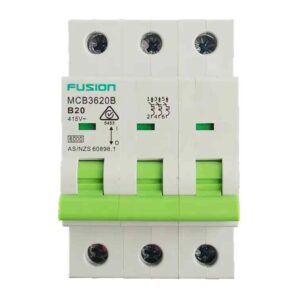
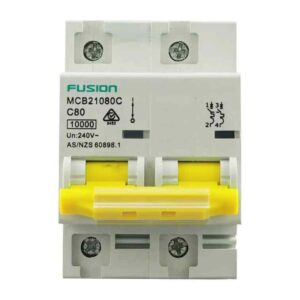
Our cable protection range encompasses everything required for modern electrical installations. MCBs (Miniature Circuit Breakers) protect cables from damage due to overload or short circuit conditions, offering fast installation with unmatched flexibility for commercial and industrial applications. These devices monitor electrical current and disconnect the supply when unsafe conditions are detected, preventing wire overheating and potential fire hazards.​

RCDs (Residual Current Devices) provide critical protection against electric shock by detecting earth leakage currents and immediately disconnecting the power supply. Essential for wet areas, construction sites, and installations where human contact with electrical equipment is likely, RCDs complement MCB protection to deliver comprehensive safety.​

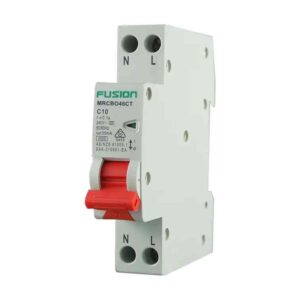
RCBOs (Residual Current Breaker with Overcurrent) combine the functionality of both MCBs and RCDs in a single compact device, offering protection against overcurrents, short circuits, and earth leakage simultaneously. This dual protection makes RCBOs ideal for space-constrained switchboards where individual MCB and RCD combinations aren’t practical.​

Our range extends to DC Circuit Breakers for renewable energy installations and battery systems, Main Switches for isolating entire installations, Complete Kits for standardized protection solutions, and specialized Asset Protection devices designed to safeguard expensive electrical equipment from damage.​

Monitoring and Control

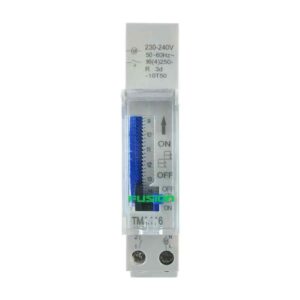
Professional installations require more than just protection devices. Timers and Meters enable precise control and monitoring of electrical systems, essential for energy management and compliance documentation. These devices help contractors deliver value-added services to clients by providing usage data and automated control capabilities that reduce operational costs.​

Professional-Grade Quality

Every cable protection device in our inventory is selected for reliability and compliance with Australian standards. We stock trusted brands that electricians depend on for consistent performance across demanding residential, commercial, and industrial environments. Our wholesale pricing structure ensures competitive project costs without compromising on the quality that licensed professionals require.​

Browse our specialized categories including Asset ProtectionComplete KitsDC Circuit BreakersMain Switch (MCB)MCBRCBO (MCB/RCD)RCD, and Timers, Meters to find the exact protection solutions your projects demand.

FAQ Section

What is the difference between an MCB and an RCD?

MCBs protect cables and circuits from overcurrent and short circuit conditions by monitoring current flow and disconnecting when safe limits are exceeded. RCDs protect people from electric shock by detecting earth leakage currents (typically as low as 30mA) and immediately cutting power when current flows through an unintended path. Most modern installations require both types of protection – MCBs for circuit protection and RCDs for personal safety.​

When should I use an RCBO instead of separate MCB and RCD devices?

RCBOs combine overcurrent protection (MCB function) and earth leakage protection (RCD function) in a single device, making them ideal when switchboard space is limited or when individual circuit protection is required. They’re particularly useful in installations where a single RCD would protect multiple circuits – if that RCD trips, all circuits are affected, whereas individual RCBOs allow fault isolation to a single circuit.​

What cable protection is required for wet areas and outdoor installations?

Wet areas including bathrooms, kitchens, outdoor sockets, and construction sites require RCD protection due to heightened electric shock risk when water is present. Australian electrical standards mandate 30mA RCD protection for these applications to ensure rapid disconnection if earth leakage occurs. Additional considerations include appropriate IP-rated enclosures and circuit breaker ratings suitable for environmental conditions.​

How do I select the correct rating for circuit breakers?

Circuit breaker selection depends on cable size, load characteristics, and installation requirements. The breaker rating must protect the cable from overload while being high enough to handle normal operating currents and inrush currents from motors or transformers. Tripping curves (B, C, D) determine sensitivity – B curves suit resistive loads, C curves handle most general applications, and D curves accommodate high inrush currents from motors or transformers. Licensed electricians should calculate required ratings based on AS/NZS 3000 wiring rules.​

What are DC circuit breakers used for?

DC circuit breakers protect direct current circuits found in solar panel installations, battery storage systems, electric vehicle charging infrastructure, and telecommunications equipment. Unlike AC breakers, DC breakers are specifically designed to safely interrupt DC current, which doesn’t have the natural zero-crossing point that aids AC circuit breaking. Using AC-rated breakers on DC circuits is unsafe and against regulations.​

Why do I need timers and meters in electrical installations?

Timers enable automated control of lighting, heating, ventilation, and other electrical systems, reducing energy consumption and providing convenience. Energy meters (kWh meters) measure electrical consumption for billing purposes, compliance documentation, energy audits, and identifying inefficient equipment. Professional contractors use these devices to deliver value-added energy management services to commercial and industrial clients.​

What is asset protection in electrical systems?

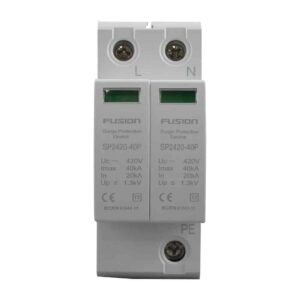
Asset protection devices safeguard expensive electrical equipment, machinery, and installations from damage caused by electrical faults, surges, and abnormal operating conditions. These specialized protection devices include surge arrestors, voltage monitoring relays, phase failure relays, and thermal protection devices that prevent costly equipment damage and production downtime.​

Can I mix different brands of circuit protection devices in one switchboard?

While technically possible, mixing brands within a switchboard can create compatibility issues, complicate fault-finding, and may void warranties or compliance certifications. Professional electricians typically standardize on a single manufacturer’s system within each switchboard to ensure proper coordination between protection devices and maintain clear documentation for future maintenance.​

Cable circuit protection systems form the foundation of safe electrical installations, safeguarding cables from overcurrent, short circuits, earth leakage, and overload conditions that can lead to property damage or personal injury. For licensed electricians and contractors managing residential, commercial, and industrial projects, selecting the right protection devices ensures compliance with Australian electrical standards while protecting both the installation and end-users.​

At iSupply Electrical, we supply a comprehensive range of cable circuit protection products designed specifically for professional electricians and electrical contractors. Our wholesale pricing and extensive inventory ensure you have reliable access to the protection devices needed to complete projects efficiently and safely.​

Complete Circuit Protection Solutions

Our cable protection range encompasses everything required for modern electrical installations. MCBs (Miniature Circuit Breakers) protect cables from damage due to overload or short circuit conditions, offering fast installation with unmatched flexibility for commercial and industrial applications. These devices monitor electrical current and disconnect the supply when unsafe conditions are detected, preventing wire overheating and potential fire hazards.​

RCDs (Residual Current Devices) provide critical protection against electric shock by detecting earth leakage currents and immediately disconnecting the power supply. Essential for wet areas, construction sites, and installations where human contact with electrical equipment is likely, RCDs complement MCB protection to deliver comprehensive safety.​

RCBOs (Residual Current Breaker with Overcurrent) combine the functionality of both MCBs and RCDs in a single compact device, offering protection against overcurrents, short circuits, and earth leakage simultaneously. This dual protection makes RCBOs ideal for space-constrained switchboards where individual MCB and RCD combinations aren’t practical.​

Our range extends to DC Circuit Breakers for renewable energy installations and battery systems, Main Switches for isolating entire installations, Complete Kits for standardized protection solutions, and specialized Asset Protection devices designed to safeguard expensive electrical equipment from damage.​

Monitoring and Control

Professional installations require more than just protection devices. Timers and Meters enable precise control and monitoring of electrical systems, essential for energy management and compliance documentation. These devices help contractors deliver value-added services to clients by providing usage data and automated control capabilities that reduce operational costs.​

Professional-Grade Quality

Every cable protection device in our inventory is selected for reliability and compliance with Australian standards. We stock trusted brands that electricians depend on for consistent performance across demanding residential, commercial, and industrial environments. Our wholesale pricing structure ensures competitive project costs without compromising on the quality that licensed professionals require.​

Browse our specialized categories including Asset ProtectionComplete KitsDC Circuit BreakersMain Switch (MCB)MCBRCBO (MCB/RCD)RCD, and Timers, Meters to find the exact protection solutions your projects demand.

FAQ Section

What is the difference between an MCB and an RCD?

MCBs protect cables and circuits from overcurrent and short circuit conditions by monitoring current flow and disconnecting when safe limits are exceeded. RCDs protect people from electric shock by detecting earth leakage currents (typically as low as 30mA) and immediately cutting power when current flows through an unintended path. Most modern installations require both types of protection – MCBs for circuit protection and RCDs for personal safety.​

When should I use an RCBO instead of separate MCB and RCD devices?

RCBOs combine overcurrent protection (MCB function) and earth leakage protection (RCD function) in a single device, making them ideal when switchboard space is limited or when individual circuit protection is required. They’re particularly useful in installations where a single RCD would protect multiple circuits – if that RCD trips, all circuits are affected, whereas individual RCBOs allow fault isolation to a single circuit.​

What cable protection is required for wet areas and outdoor installations?

Wet areas including bathrooms, kitchens, outdoor sockets, and construction sites require RCD protection due to heightened electric shock risk when water is present. Australian electrical standards mandate 30mA RCD protection for these applications to ensure rapid disconnection if earth leakage occurs. Additional considerations include appropriate IP-rated enclosures and circuit breaker ratings suitable for environmental conditions.​

How do I select the correct rating for circuit breakers?

Circuit breaker selection depends on cable size, load characteristics, and installation requirements. The breaker rating must protect the cable from overload while being high enough to handle normal operating currents and inrush currents from motors or transformers. Tripping curves (B, C, D) determine sensitivity – B curves suit resistive loads, C curves handle most general applications, and D curves accommodate high inrush currents from motors or transformers. Licensed electricians should calculate required ratings based on AS/NZS 3000 wiring rules.​

What are DC circuit breakers used for?

DC circuit breakers protect direct current circuits found in solar panel installations, battery storage systems, electric vehicle charging infrastructure, and telecommunications equipment. Unlike AC breakers, DC breakers are specifically designed to safely interrupt DC current, which doesn’t have the natural zero-crossing point that aids AC circuit breaking. Using AC-rated breakers on DC circuits is unsafe and against regulations.​

Why do I need timers and meters in electrical installations?

Timers enable automated control of lighting, heating, ventilation, and other electrical systems, reducing energy consumption and providing convenience. Energy meters (kWh meters) measure electrical consumption for billing purposes, compliance documentation, energy audits, and identifying inefficient equipment. Professional contractors use these devices to deliver value-added energy management services to commercial and industrial clients.​

What is asset protection in electrical systems?

Asset protection devices safeguard expensive electrical equipment, machinery, and installations from damage caused by electrical faults, surges, and abnormal operating conditions. These specialized protection devices include surge arrestors, voltage monitoring relays, phase failure relays, and thermal protection devices that prevent costly equipment damage and production downtime.​

Can I mix different brands of circuit protection devices in one switchboard?

While technically possible, mixing brands within a switchboard can create compatibility issues, complicate fault-finding, and may void warranties or compliance certifications. Professional electricians typically standardize on a single manufacturer’s system within each switchboard to ensure proper coordination between protection devices and maintain clear documentation for future maintenance.​

My cart
Your cart is empty.

Looks like you haven't made a choice yet.