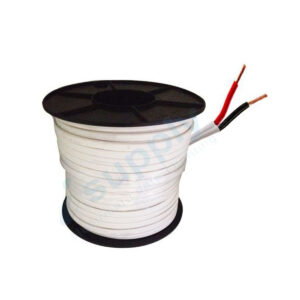
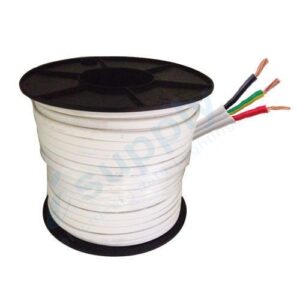
TPS Flat Cable

TPS flat cable (Thermoplastic Sheathed) is essential twin and earth wiring used extensively in residential, commercial, and light industrial electrical installations across Australia. This versatile cable type features active and neutral conductors with an earth wire, all enclosed in a durable PVC sheath designed for protection and compliance with Australian wiring standards.

Electricians and contractors rely on TPS flat cable for fixed wiring applications including power circuits, lighting circuits, and general-purpose electrical distribution in domestic properties, commercial fit-outs, and renovation projects. Available in multiple conductor sizes to match different current-carrying requirements, TPS cable provides a cost-effective and compliant solution for most standard electrical installations.

Our TPS flat cable range suits various applications from residential switchboard connections to commercial power distribution, ensuring you have the right cable specifications for every project requirement. All products meet Australian Standards for electrical safety and performance, providing reliable installations that contractors can trust.

FAQs

What is TPS flat cable used for?

TPS flat cable is used for fixed electrical wiring in residential and commercial buildings, including power circuits, lighting circuits, and appliance connections. It’s suitable for installation in walls, ceilings, and protected areas where cables won’t be exposed to mechanical damage or moisture.

What sizes of TPS cable are available?

TPS cable comes in various conductor sizes including 1mm², 1.5mm², 2.5mm², 4mm², 6mm², and larger, with the size selection depending on the circuit’s current requirements and application. Larger conductor sizes handle higher current loads for appliances and heavy-duty circuits.

Can TPS flat cable be used outdoors?

TPS cable is designed for interior installations and protected areas. For outdoor or exposed applications, you should use UV-resistant cable types specifically rated for external conditions. Consult Australian wiring standards AS/NZS 3000 for appropriate cable selection.

What’s the difference between 2-core and 3-core TPS cable?

2-core TPS cable contains active, neutral, and earth conductors and is used for most single-phase circuits. 3-core TPS cable includes an additional active conductor for two-way switching circuits or three-phase applications in residential installations.

How do I determine the correct TPS cable size for my project?

Cable size depends on the circuit’s current load, cable length, installation method, and voltage drop requirements. Licensed electricians calculate these factors according to AS/NZS 3000 to ensure safe and compliant installations. For guidance on selecting the right cable, contact our technical team.

  • 10mm Twin and Earth TPS Electrical Cable POWER 100mtrs SRF3100V

    10mm Twin and Earth TPS Electrical Cable POWER 100mtrs SRF3100V

    $1,093.59 inc GST

    10mm Twin and Earth TPS Electrical Cable POWER 100mtrs Used for POWER Stranded Wire Meter Marked Tax Invoice Included Cheapest Prices Available! Call us for a BULK ORDER Quote – Pallet QTY’s Available ASAP FREE Delivery to Anywhere in Sydney Metro for 1/2 Pallet > Pallet QTY’s Additional Notes: Australian Standards Approved Need bulk quantity?…

  • 16mm Twin and Earth TPS Electrical Cable POWER 100mtrs SRF2160V

    16mm Twin and Earth TPS Electrical Cable POWER 100mtrs SRF2160V

    $1,261.09 inc GST

    Reliable 16mm Twin and Earth TPS cable for safe, efficient power wiring on any residential or commercial project.

TPS flat cable (Thermoplastic Sheathed) is essential twin and earth wiring used extensively in residential, commercial, and light industrial electrical installations across Australia. This versatile cable type features active and neutral conductors with an earth wire, all enclosed in a durable PVC sheath designed for protection and compliance with Australian wiring standards.

Electricians and contractors rely on TPS flat cable for fixed wiring applications including power circuits, lighting circuits, and general-purpose electrical distribution in domestic properties, commercial fit-outs, and renovation projects. Available in multiple conductor sizes to match different current-carrying requirements, TPS cable provides a cost-effective and compliant solution for most standard electrical installations.

Our TPS flat cable range suits various applications from residential switchboard connections to commercial power distribution, ensuring you have the right cable specifications for every project requirement. All products meet Australian Standards for electrical safety and performance, providing reliable installations that contractors can trust.

FAQs

What is TPS flat cable used for?

TPS flat cable is used for fixed electrical wiring in residential and commercial buildings, including power circuits, lighting circuits, and appliance connections. It’s suitable for installation in walls, ceilings, and protected areas where cables won’t be exposed to mechanical damage or moisture.

What sizes of TPS cable are available?

TPS cable comes in various conductor sizes including 1mm², 1.5mm², 2.5mm², 4mm², 6mm², and larger, with the size selection depending on the circuit’s current requirements and application. Larger conductor sizes handle higher current loads for appliances and heavy-duty circuits.

Can TPS flat cable be used outdoors?

TPS cable is designed for interior installations and protected areas. For outdoor or exposed applications, you should use UV-resistant cable types specifically rated for external conditions. Consult Australian wiring standards AS/NZS 3000 for appropriate cable selection.

What’s the difference between 2-core and 3-core TPS cable?

2-core TPS cable contains active, neutral, and earth conductors and is used for most single-phase circuits. 3-core TPS cable includes an additional active conductor for two-way switching circuits or three-phase applications in residential installations.

How do I determine the correct TPS cable size for my project?

Cable size depends on the circuit’s current load, cable length, installation method, and voltage drop requirements. Licensed electricians calculate these factors according to AS/NZS 3000 to ensure safe and compliant installations. For guidance on selecting the right cable, contact our technical team.

My cart
Your cart is empty.

Looks like you haven't made a choice yet.