
Choosing the right digital TV antenna can mean the difference between clear, reliable reception and ongoing signal issues. Whether you're replacing an existing system, fitting out a new build, or sourcing products for a commercial project, our range of digital TV antennas includes solutions designed to suit different reception conditions across Australia.
Showing 1–16 of 96 results
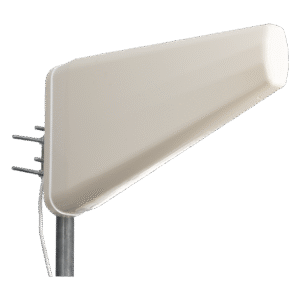
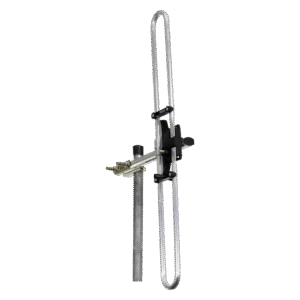
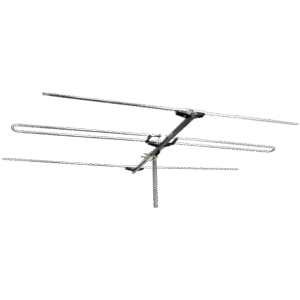
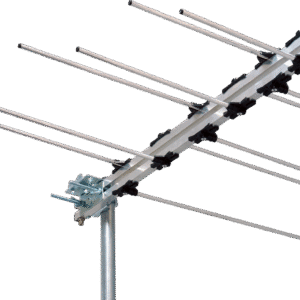
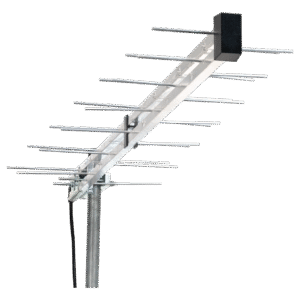
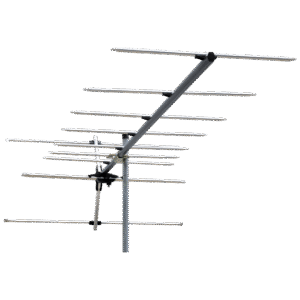
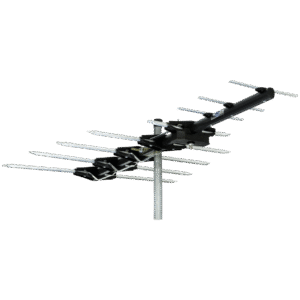
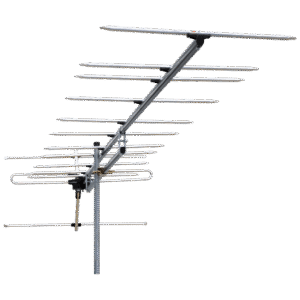
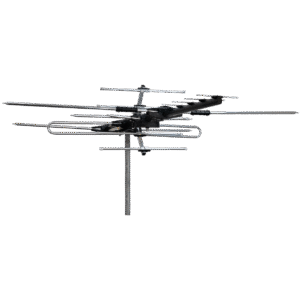
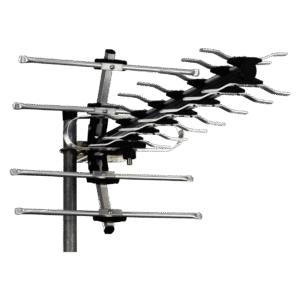
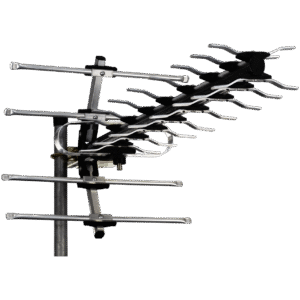
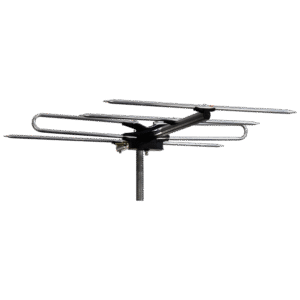
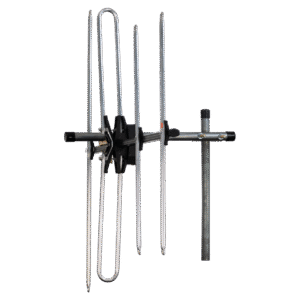
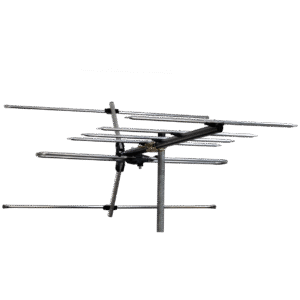
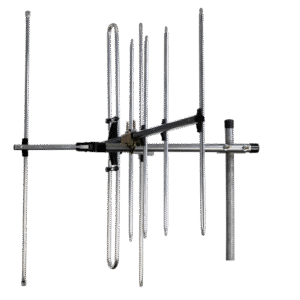
Digital TV Antennas for Reliable Free-to-Air Reception
A digital TV antenna is one of the most important components in any free-to-air television system. Selecting the right antenna helps deliver stable reception, minimise signal dropouts, and reduce the need for costly troubleshooting after installation.
For electricians, antenna installers, builders, facility managers and procurement teams, choosing the right antenna starts with understanding the installation environment rather than simply replacing an existing unit with a similar model. Signal strength, transmitter distance, surrounding obstructions and system design can all influence performance.
Choosing Digital TV Antennas Based on Reception Conditions
Not all digital TV antennas are designed for the same applications. A property located close to a transmission tower may only require a standard antenna, while weaker reception areas may benefit from higher-gain solutions designed to capture more distant signals.
Before selecting an antenna, consider:
- Distance from local broadcast towers
- Surrounding buildings, trees and terrain
- Roof height and mounting position
- Existing cabling infrastructure
- Number of connected televisions
- Future expansion requirements
Matching the antenna to actual site conditions helps improve reception reliability while avoiding unnecessary equipment costs.
What Should You Consider Before Choosing a Digital TV Antenna?
Many buyers compare products based on appearance or size alone, but antenna selection should be driven by installation requirements.
As a general guide:
- Strong signal areas may only require a standard antenna
- Weaker signal locations often benefit from higher-gain antennas
- Multi-TV installations require consideration of signal distribution
- Long cable runs may result in signal loss if not planned correctly
- Commercial projects often require capacity for future expansion
Understanding these requirements before purchasing can help avoid reception issues and improve long-term system performance.
Comparing TV Antennas for Digital TV Installations
Buyers searching for TV antennas for digital TV systems are often comparing products that appear similar but are designed for different reception environments.
When evaluating digital antennas for TV installations, consider the differences between:
- Standard gain and high-gain antennas
- Metropolitan and regional reception applications
- Directional and wider coverage designs
- Single television and multi-room systems
- Amplified and non-amplified solutions
The most suitable antenna is not always the largest option. Selecting a product that aligns with the site’s reception conditions is usually more important than focusing on physical size alone.
Understanding UHF Reception and Signal Distribution
Many television antennas for digital TV reception are designed to receive UHF broadcast signals used for free-to-air television services. Reception quality can vary depending on local transmission conditions, installation height and environmental factors.
Where multiple televisions are connected to a single antenna, buyers should also consider:
- Signal splitters
- Distribution equipment
- Cable quality
- Potential signal loss across longer cable runs
Planning the entire system rather than focusing solely on the antenna can help deliver more consistent reception throughout the property.
In addition to antennas and distribution equipment, a complete TV and data infrastructure may include cabling, connectors, wall plates and other components designed to support reliable signal transmission across residential and commercial installations.
When Is an Amplified Antenna Worth Considering?
Amplification can be beneficial in certain situations, particularly where signal loss occurs across longer cable runs or where multiple televisions are supplied from a single antenna system.
However, an amplifier should not be used as a substitute for selecting the correct antenna. In many cases, choosing a suitable antenna for the installation environment will have a greater impact on reception performance than adding amplification.
Avoiding Common Antenna Selection Mistakes
Reception problems are often caused by incorrect product selection rather than equipment failure.
To improve installation outcomes, avoid:
- Choosing solely based on price
- Assuming all digital TV antennas perform similarly
- Selecting low-gain antennas in weaker reception areas
- Purchasing amplification equipment unnecessarily
- Ignoring cable condition and distribution requirements
- Overlooking future expansion needs
Careful product selection at the beginning of a project can help minimise future maintenance and reduce the likelihood of signal-related issues.
Selecting Digital TV Antennas for Residential and Commercial Projects
Digital TV antenna requirements can vary significantly between residential homes, apartment developments, hospitality venues, schools, aged care facilities, commercial fit-outs and ongoing maintenance projects.
Many multi-dwelling and commercial developments also integrate intercom and access control systems alongside television and communications infrastructure, making it important to consider overall network requirements during the planning stage.
Whether you’re sourcing digital TV antennas for a residential installation, commercial project or facility upgrade, selecting products that match local reception conditions helps deliver reliable long-term performance. Explore our range of digital TV antennas, TV antennas for digital TV systems and supporting accessories to build a complete television distribution solution with confidence throughout Australia.
Frequently Asked Questions
How do I choose the best digital TV antenna for my location?
Signal strength, distance from transmission towers, surrounding obstructions and installation height all influence antenna selection. Higher-gain antennas are often preferred where reception is weaker.
What is the difference between standard and high-gain digital TV antennas?
High-gain antennas are designed to capture weaker signals from greater distances, while standard antennas are generally suitable where signal strength is already strong.
Are digital TV antennas suitable for regional areas?
Many digital TV antennas are designed specifically for regional and fringe reception locations. The most suitable option depends on local signal conditions.
Do I need an amplifier with my antenna?
Not always. Amplifiers are commonly used where long cable runs or multiple televisions create signal loss, but they should not replace proper antenna selection.
Can one antenna connect to multiple televisions?
Yes. With the correct splitters and signal distribution equipment, a single antenna can supply multiple televisions throughout a property.
Should I choose a high-gain antenna or an amplified antenna?
They serve different purposes. High-gain antennas improve signal capture, while amplifiers help compensate for signal loss within the system. Many installations require one or the other, while some may require both.
Will a digital TV antenna work with my existing television?
Most modern televisions with a built-in digital tuner can work with a compatible digital TV antenna. Older televisions may require additional receiving equipment.
Can I use my existing coaxial cable with a new antenna?
In many cases, yes. However, damaged or ageing cable can affect signal quality and may need replacement to achieve optimal performance.
What causes digital television signal dropouts?
Signal dropouts can result from weak reception, poor antenna positioning, damaged cabling, environmental obstructions or inadequate signal distribution.
How long do outdoor digital TV antennas typically last?
A quality antenna installed correctly and maintained appropriately can provide many years of reliable service in outdoor environments.