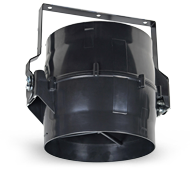
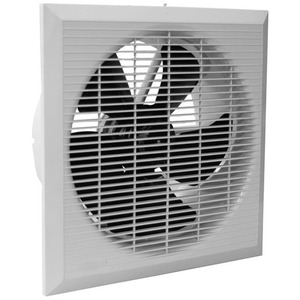
Industrial air movement solutions are essential for maintaining safe, compliant workspaces across commercial, manufacturing, and industrial facilities throughout Australia.
Licensed electricians and contractors rely on high-performance ceiling mounted, wall mounted, and roof mounted ventilation systems to manage airflow, control temperature stratification, and ensure workplace health and safety compliance in warehouses, factories, workshops, and commercial buildings.
Professional-Grade Ventilation for Demanding Applications
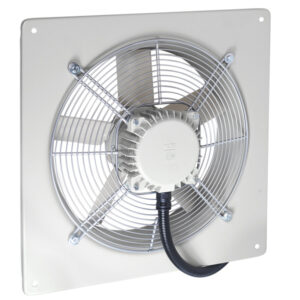
Industrial fans deliver powerful air circulation for applications requiring high-volume exhaust, fume extraction, and thermal management. De-stratification fans redistribute warm air trapped near ceilings back to floor level, reducing HVAC loads and creating uniform temperature zones in high-ceiling facilities—delivering up to 30% energy cost reductions while improving worker comfort.
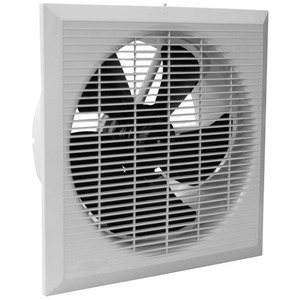
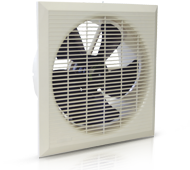
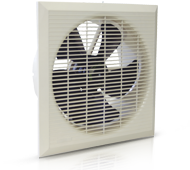
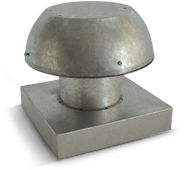
Roof mounted exhaust fans take advantage of natural heat rise to efficiently remove hot air, humidity, and airborne contaminants from large spaces, while wall mounted options provide targeted airflow in confined areas or facilities with structural limitations.
From bushfire-compliant through-roof systems to commercial-grade wall/ceiling fans and specialized de-stratification units, this industrial air movement range addresses the ventilation challenges electricians face on construction sites, fit-outs, and maintenance projects.
All products meet Australian electrical standards and are suitable for installation by licensed electrical contractors across residential, commercial, and industrial applications.
FAQs
What types of industrial fans are best for warehouse ventilation projects?
For warehouse applications, de-stratification fans mounted at ceiling level provide optimal air circulation by redistributing stratified warm air throughout large open spaces, improving thermal comfort and reducing heating costs. Roof mounted exhaust fans work effectively for removing hot air and maintaining consistent airflow in facilities with high ceilings, while wall mounted fans deliver targeted ventilation in specific zones. Licensed electricians typically combine ceiling mounted de-stratification units with wall mounted intake fans and roof mounted exhaust systems for comprehensive ventilation solutions.
Are industrial exhaust fans suitable for bushfire-prone areas in Australia?
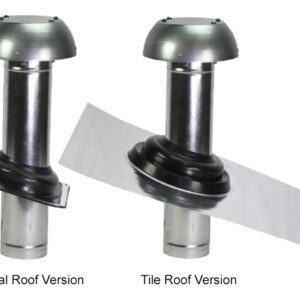
Yes, bushfire-compliant industrial exhaust fans with BAL-12.5, BAL-29, and BAL-40 ratings are specifically designed for installation in bushfire-affected zones across Australia. Through-roof exhaust systems featuring ember guards, metal construction, and compliant flashing meet Australian building code requirements for properties in designated bushfire attack levels, ensuring safe ventilation without compromising fire protection standards that electrical contractors must adhere to during construction projects.
What’s the difference between ceiling mounted, wall mounted, and roof mounted industrial fans?
Ceiling mounted fans, particularly de-stratification models, create vertical air circulation by pushing air downward to eliminate temperature stratification in large spaces with high ceilings. Wall mounted fans provide horizontal airflow ideal for targeted ventilation in workshops or areas where ceiling mounting isn’t feasible. Roof mounted exhaust fans utilize natural convection to extract hot air, fumes, and humidity directly through the roof structure, making them the most efficient solution for whole-building ventilation in industrial facilities.
Do industrial fans require licensed electricians for installation in commercial projects?
Australian regulations mandate that all permanent industrial fan installations, including ceiling mounted, wall mounted, and roof mounted systems, must be completed by licensed electrical contractors to ensure compliance with AS/NZS 3000 wiring standards and workplace health and safety requirements. Professional installation ensures proper load calculations, structural mounting, electrical connections, and control system integration—critical factors for commercial and industrial ventilation projects that affect building compliance certifications.
Which industrial fan applications provide the best project margins for electrical contractors?
De-stratification fans, custom ventilation systems, and bushfire-compliant through-roof installations typically offer higher margins for electrical contractors compared to standard residential exhaust fans. Commercial projects requiring specialized industrial air movement solutions—such as warehouse climate control, factory fume extraction, or multi-zone ventilation systems—allow contractors to provide value-added design consultation and complex installations that justify premium pricing while delivering measurable energy savings and compliance benefits to clients.